BLOG
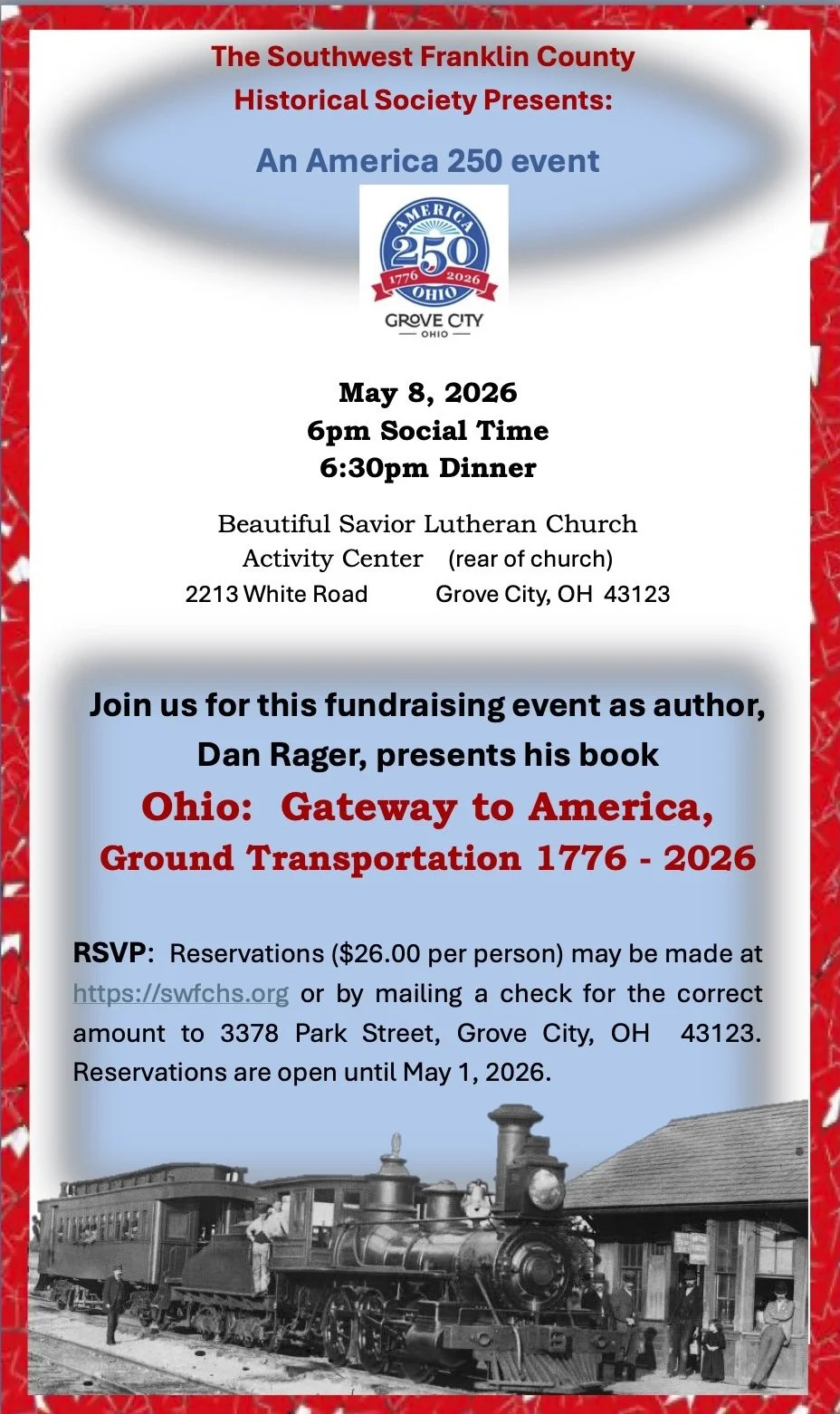
Society Fundraising Banquet
Join us for a fundraising banquet for the Southwest Franklin County Historical Society, as part of the America 250 celebration.
Dan Rager will present his book, “Ohio: Gateway to America, Ground Transportation 1776-2026”. The banquet will be held on May 8 at 6:30p, at Beautiful Savior Lutheran Church, 2213 White Road in Grove City. Tickets are $26 per person—you can RSVP and purchase tickets at this link. More details in the attached photo.
The Old Fire Truck
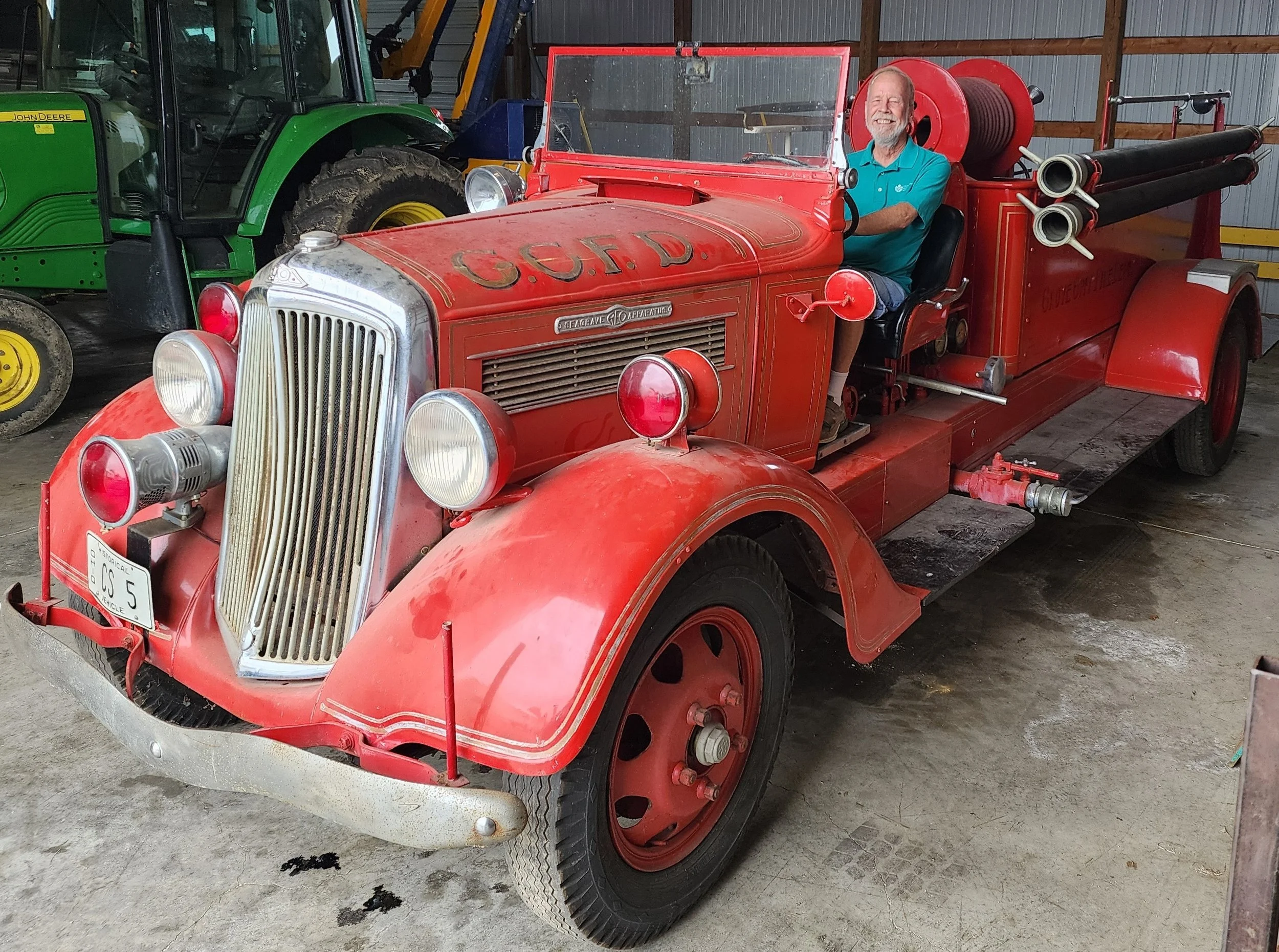
Kevin O’Harra donated this 1935 Seagrave fire truck to Jackson Township which was the second motorized vehicle operated by the former Grove City Fire Department. At the time, it was a subscription department and residents were required to pay a $40 fee for each fire run. If a fee wasn’t paid, the department would not respond to a future call for assistance. One township resident learned a hard lesson when his home and barn were destroyed by fire and the only department to respond was Columbus. The Columbus fee was more costly: $50 for equipment, $50 an hour on scene, and 10 cents a mile to the scene of the fire from the Columbus city limits. Olen Rumfield was the last Grove City fire chief who assumed the role as Jackson Township fire chief in 1946.
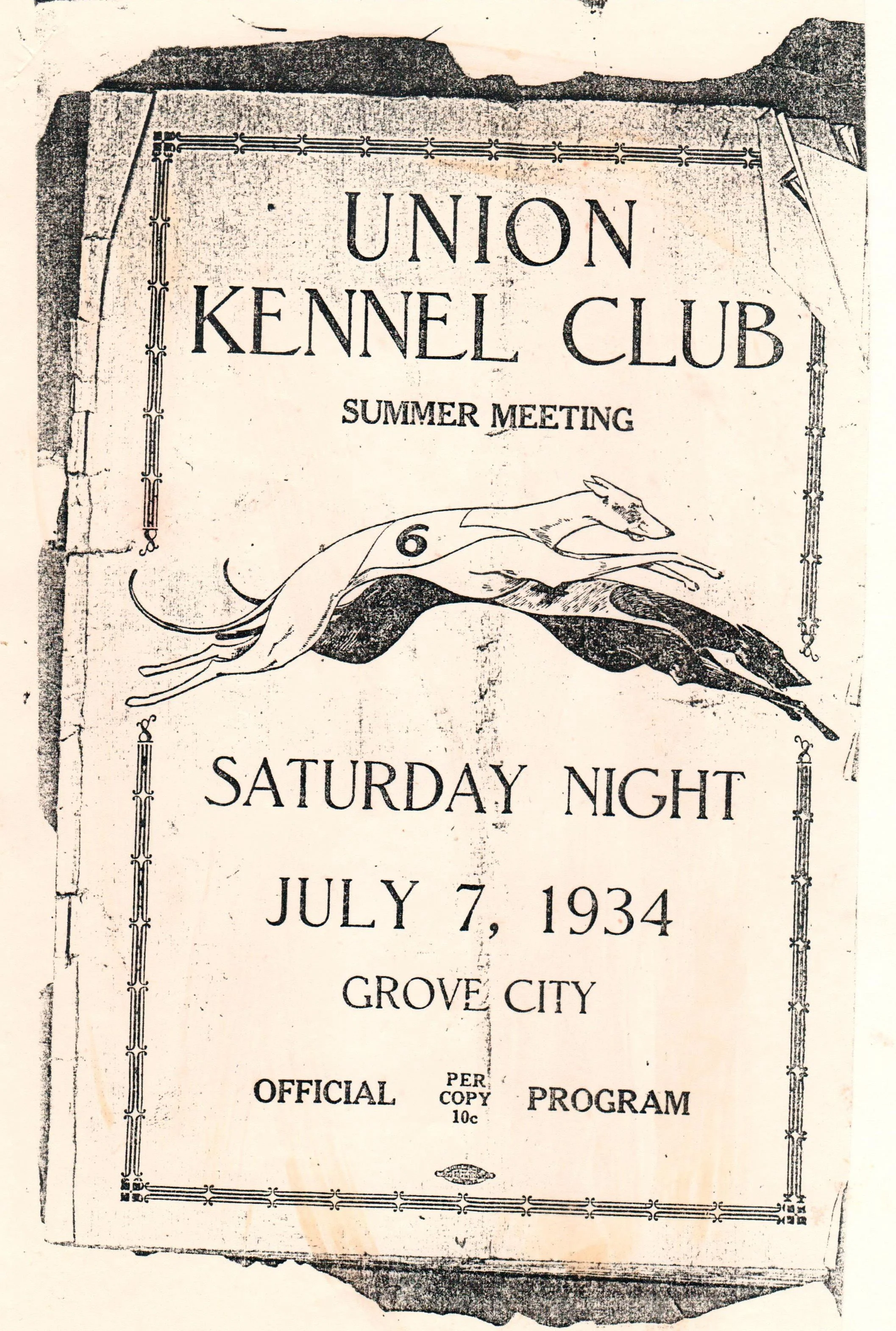
Franklin Kennel Club
The Franklin Kennel Club held greyhound races in Grove City until 1928. After the track ceased to operate, races continued at Beulah Park which was illegal at the time. Those races were not announced to the public and race fans learned the schedule by word of mouth. Union Kennel Club was next to attempt to revive greyhound racing at the old North Broadway track – where OLPH is today – but after a short run the track shut down in 1934 when track owners learned the county sheriff was planning a raid on the property.
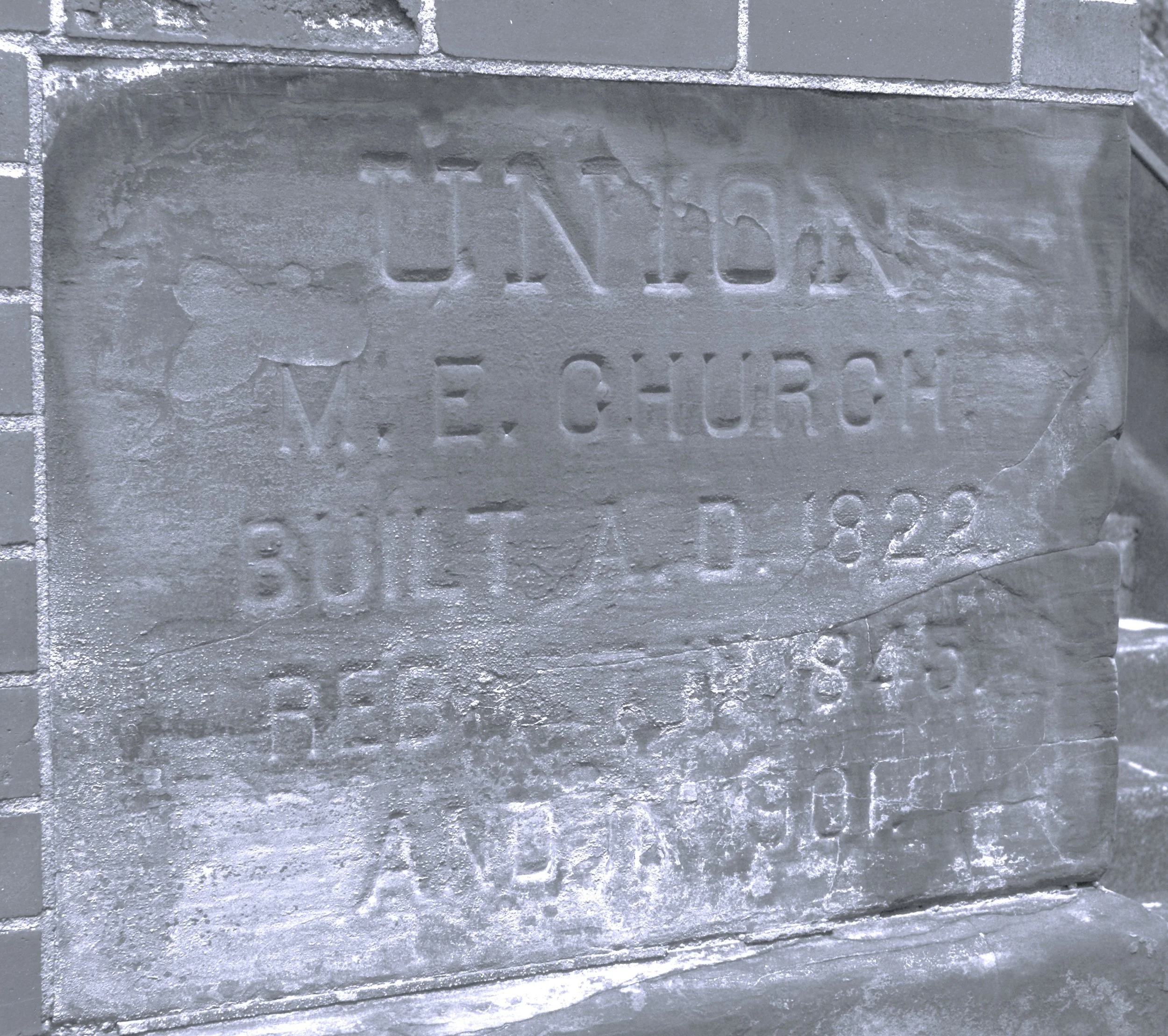
Camp Meetings
Religious camp-meetings were once common in Franklin Township on the grounds of a union church later identified as the Union Methodist Episcopal Church built in 1822 and rebuilt in 1845. Adam G. Grant of Grove City recalled one Sunday morning during a camp meeting nine Indians, bedecked with their feathers and war paint, walked up to the front of the church and seated themselves. Their presence naturally caused a commotion but the service continued uninterrupted. The camp grounds were located in a grove of trees which surrounded the little church. Small huts housed those attending the camp-meetings which would often last three to four weeks.
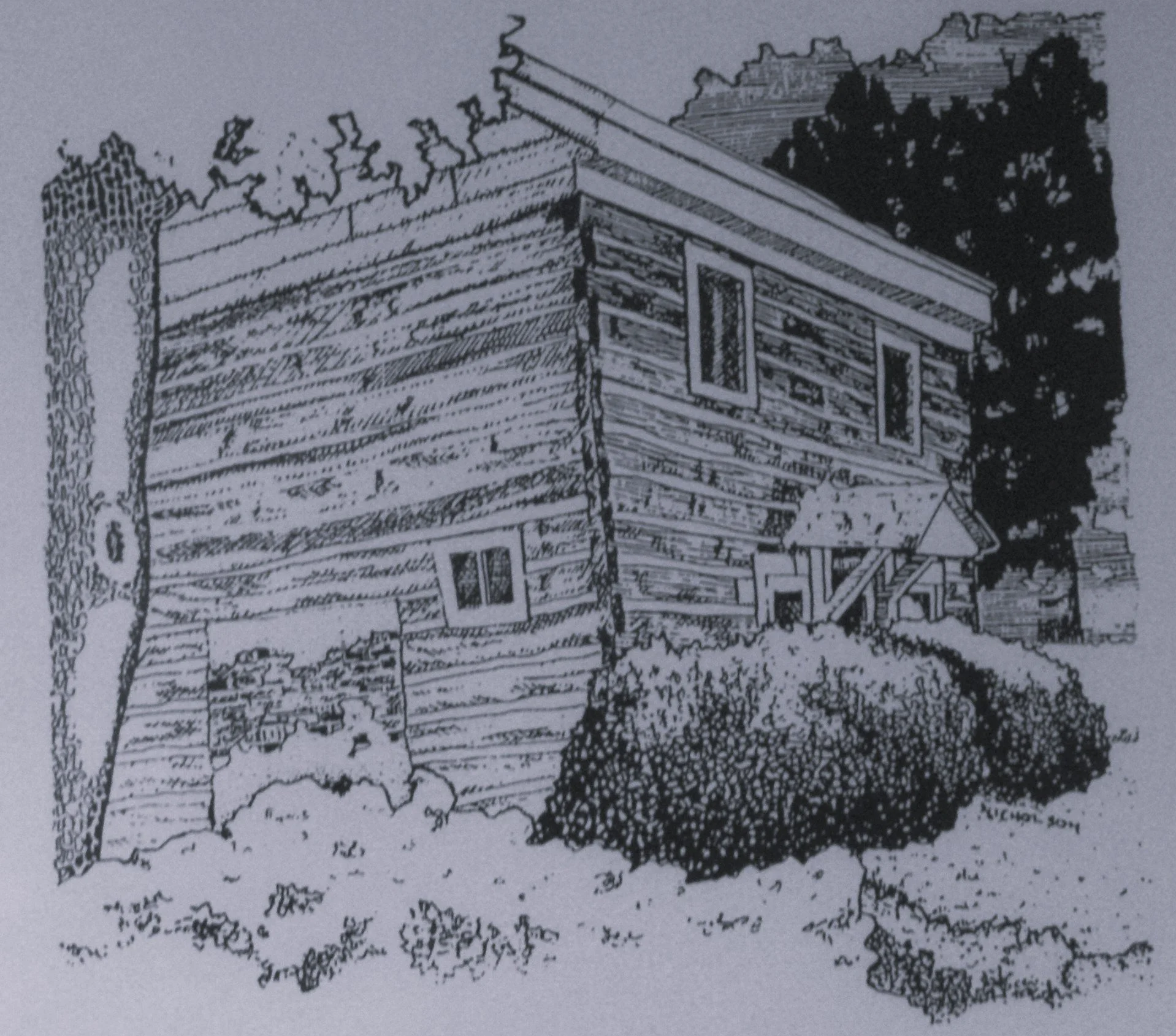
First Pleasant Twp Settlers
When Pleasant Township was organized in 1807, it was five times larger than it is today. Pictured is one of the early log homes in the area. The first permanent settlers arrived around 1803 settling near Big Darby Creek in an area known today as Georgesville. A portion of Pleasant Township was transferred to the newly created Jackson Township in 1815, the same year the Pleasant Post Office opened. The following year, the settlement of Georgesville was laid out and by 1818, the Pleasant Post Office changed names becoming the Georgesville Post Office. Among the earliest settlers were the families of Thomas Roberts, John Bigger, James Gardiner, Samuel Dyer, Samuel Kerr and John Turner. In 1805, Samuel Dyer erected a mill, which eventually passed to William Dyer, and was for half a century the only flouring-mill in the township.